
A good shrimp pasta doesn’t need a heavy cream sauce or a long list of ingredients to taste special.
This lemon garlic shrimp pasta brings together tender shrimp, aromatic garlic, olive oil, butter, and fresh lemon for a light yet satisfying dinner that comes together in about 20 minutes.
The sauce is built directly in the skillet, where garlic and red pepper flakes gently flavor the olive oil and butter before the shrimp are added.
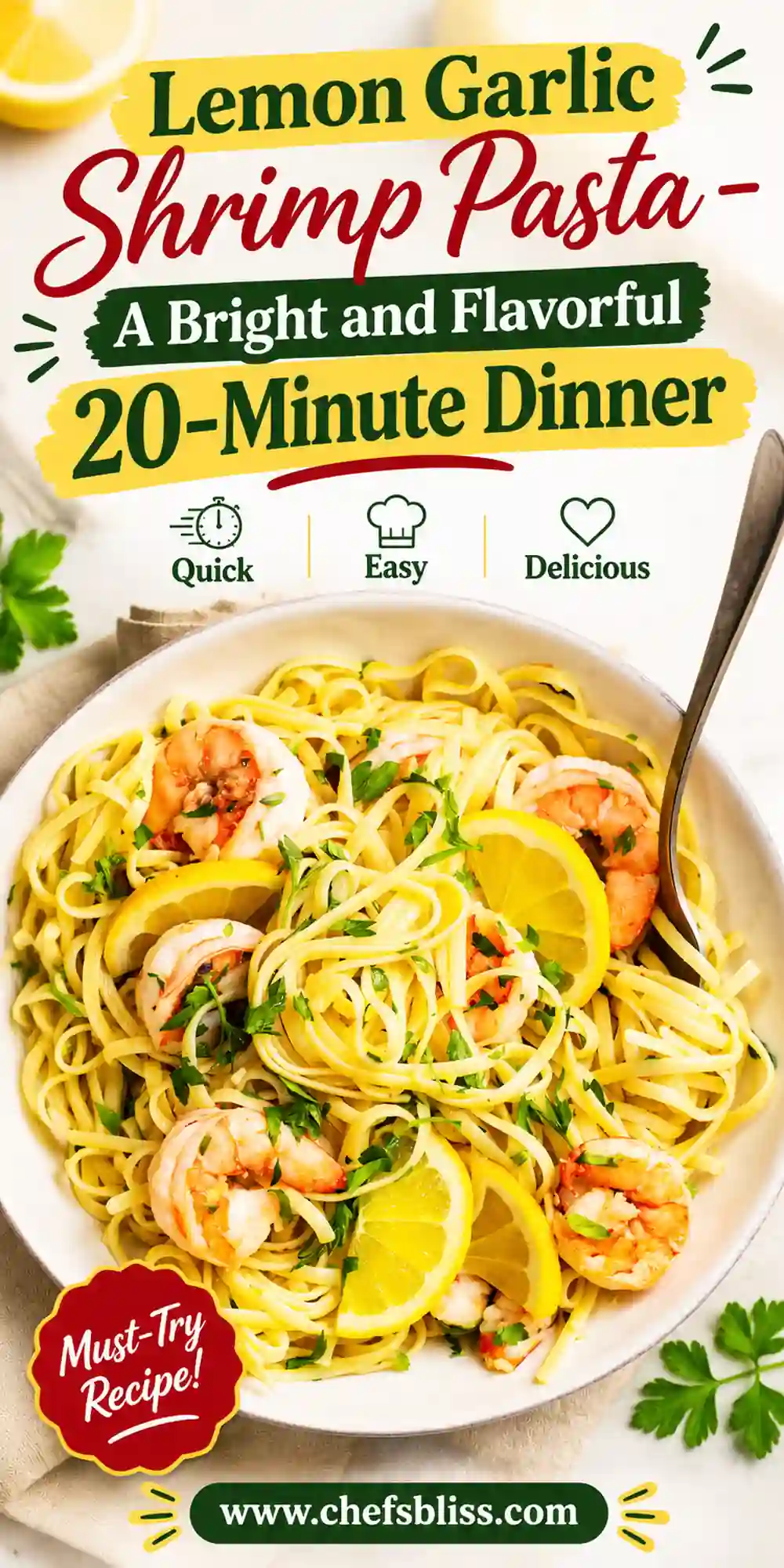
Once the pasta is cooked, a little reserved pasta water helps bring everything together, creating a delicate coating that clings to each strand.
Fresh lemon juice and zest provide the finishing brightness, while chopped parsley adds a clean herbal note.
Parmesan is optional, allowing you to choose between a more pronounced citrus flavor or a slightly richer, savory finish.
Spaghetti and linguine are particularly good choices, although other long, thin pasta shapes work just as well.
With straightforward preparation and ingredients that are easy to find, this is a practical weeknight meal that also feels appropriate for a relaxed dinner with guests.
What Makes This Shrimp Pasta Worth Making?
- A quick cooking process: The pasta and shrimp cook in roughly 10 minutes, making this a convenient option when time is limited.
- A balanced sauce: Olive oil and butter provide richness without relying on heavy cream.
- Fresh citrus flavor: Both lemon juice and zest contribute brightness and a noticeable citrus aroma.
- Tender shrimp: Cooking the shrimp briefly helps preserve their delicate texture.
- Easy to customize: Parmesan can be included or omitted, and the amount of red pepper flakes can be adjusted to taste.
Understanding the Ingredients
The ingredient list is relatively short, so each component contributes something important to the finished dish. Fresh garlic, properly cooked shrimp, and a good lemon make a particularly noticeable difference.
Pasta
You’ll need 12 ounces of dried spaghetti or another long, thin pasta. Spaghetti and linguine are both suitable because their strands are easy to toss with the shrimp and light butter-and-oil sauce.
Cook the pasta in salted boiling water until al dente. It should remain slightly firm rather than becoming completely soft, since it will spend a little more time cooking in the skillet.
Shrimp
One pound of medium shrimp, peeled and deveined, provides the main protein.
Medium shrimp are convenient for this recipe because they cook quickly and distribute nicely throughout the pasta. If using frozen shrimp, thaw them completely and pat them dry before cooking. Excess moisture can interfere with browning and cause the shrimp to release more liquid into the skillet.
Olive Oil and Butter
Three tablespoons of olive oil and two tablespoons of butter form the sauce’s foundation.
Olive oil provides a fruity, savory base, while butter contributes richness and helps round out the sharper flavors of garlic and lemon. Together, they create a flavorful coating without the heaviness of a cream-based sauce.
Fresh Garlic
Five large garlic cloves, minced, provide the characteristic savory flavor.
Freshly minced garlic is preferable here because it distributes throughout the oil and butter, releasing its aroma quickly. Since it cooks for only about 30 seconds before the shrimp are added, keep an eye on it to prevent browning.
Lemon
One large lemon supplies both the juice and zest.
The zest contributes fragrant citrus oils, while the juice provides acidity. Using both creates a more complete lemon flavor than relying on juice alone.
Red Pepper Flakes
A quarter teaspoon of crushed red pepper flakes adds gentle heat. You can use a little more if you enjoy spicier pasta.
Parsley and Parmesan
A quarter cup of chopped fresh parsley adds a fresh herbal finish. The original recipe also allows additional parsley according to preference.
Two ounces of freshly grated Parmesan cheese are optional. It brings a salty, savory element that complements the shrimp and butter, but the pasta is equally suitable without it.
Kosher salt and freshly ground black pepper are used to season the dish to taste.
How the Lemon Garlic Sauce Comes Together
Rather than preparing a separate sauce, this recipe builds its flavor in the same skillet used to cook the shrimp.
First, olive oil and butter are heated until sizzling. Garlic and red pepper flakes are added, allowing their flavors to infuse the fat. The shrimp then cook in that mixture, picking up the garlic and subtle pepper flavor.
After the pasta is boiled and drained, it returns to the skillet with some reserved cooking water. The starch in that water helps the oil and butter coat the noodles more evenly.
Lemon juice, zest, and parsley are added after the skillet is removed from the heat. This finishing step keeps the citrus flavor fresh and prevents the parsley from losing its bright character through prolonged cooking.
The result is a lightly coated pasta rather than a thick, cream-heavy sauce.
Step-by-Step: Preparing Lemon Garlic Shrimp Pasta
The pasta and shrimp can be prepared at the same time, which helps keep the total cooking time close to 20 minutes. Before turning on the stove, mince the garlic, chop the parsley, zest and juice the lemon, and prepare the shrimp.
1. Boil the pasta and reserve the cooking water
Bring a large pot of salted water to a boil. Add the dried spaghetti and cook according to the package directions until al dente, approximately 8 minutes.
Before draining, measure out and reserve 1 cup of pasta cooking water. Drain the pasta and set it aside.
Why reserve pasta water? It contains starch released during cooking. Adding some of it to the skillet helps the sauce distribute across the pasta instead of leaving the noodles coated unevenly with oil.
2. Infuse the olive oil and butter with garlic
While the pasta cooks, place a large skillet over medium-high heat. Add the olive oil and butter and heat until the mixture is sizzling.
Stir in the minced garlic and crushed red pepper flakes. Cook for approximately 30 seconds, stirring continuously, until the garlic becomes fragrant.
Avoid letting the garlic turn dark brown, as excessive browning can introduce an unpleasant bitter flavor.
3. Cook the shrimp
Add the peeled and deveined shrimp directly to the skillet.
Cook for 3–4 minutes, stirring occasionally, until the shrimp are just cooked through and turn pink. Their flesh should become firm and pearly opaque rather than remaining translucent.
Remove the skillet from the heat once the shrimp are cooked.
The shrimp will return to the heat briefly when combined with the pasta, so avoid extending their initial cooking time unnecessarily.
4. Toss the pasta with the shrimp and sauce
Once the pasta has been drained, return the skillet containing the shrimp mixture to medium heat.
Add the cooked pasta along with ¼ cup of the reserved pasta water. Toss and stir until the pasta is heated through and evenly coated.
If the noodles appear too dry, gradually add more reserved pasta water until the mixture reaches the desired consistency.
The goal is a light, cohesive coating rather than a pool of liquid at the bottom of the skillet.
5. Finish with lemon, parsley, and Parmesan
Remove the skillet from the heat.
Stir in the fresh lemon juice, lemon zest, and chopped parsley. Season with kosher salt and freshly ground black pepper to taste.
Transfer the pasta to a serving bowl or platter. Finish with freshly grated Parmesan if desired.
Serve immediately while the pasta is warm and the shrimp remain tender.
Getting the Best Texture and Flavor
A few details make a considerable difference in a recipe that cooks this quickly.
Keep the shrimp from overcooking. Medium shrimp need only 3–4 minutes in the skillet. Watch their color and texture rather than relying solely on the clock. Overcooked shrimp can become firm and rubbery.
Dry the shrimp before cooking. If the shrimp have been thawed or rinsed, pat them thoroughly with paper towels. Removing excess surface moisture helps them cook properly in the hot oil and butter.
Prepare everything before heating the skillet. Garlic can burn quickly, and the shrimp cook in just a few minutes. Having the lemon, parsley, and other ingredients ready prevents unnecessary delays.
Don’t skip the reserved pasta water. Begin with the specified ¼ cup when tossing the noodles with the shrimp. Add more only as needed. This helps create a more cohesive sauce.
Use fresh lemon. Freshly squeezed juice and freshly grated zest provide the citrus flavor that defines this dish. Bottled lemon juice will not provide the same aromatic contribution from the zest.
Finish the dish off the heat. Adding the lemon and parsley after removing the skillet from the burner preserves their fresh flavor.
Optional Ways to Customize the Pasta
The original recipe has a simple olive oil, butter, garlic, and lemon foundation. Its optional additions can change the character of the dish without altering the essential cooking method.
These are optional variations suggested by the original recipe developer, not changes to the core recipe.
- With Parmesan: Add the specified 2 ounces of freshly grated Parmesan for a saltier, more savory finish. Leave it out when you prefer the lemon and parsley to stand out.
- Add baby spinach: Stir in a few handfuls of baby spinach near the end of cooking. This is an optional addition and will change the original ingredient formula.
- Introduce white wine: A splash of white wine can add another layer of flavor. The original developer suggests using it in place of some pasta water, but does not specify an exact quantity.
- Increase the heat: Add more crushed red pepper flakes or a little cayenne pepper for a spicier version.
- Try another herb: Basil or cilantro can replace parsley if you want a different herbal flavor.
- Make it more garlicky: Increase the garlic for a stronger garlic-forward result.
- Use a different pasta: Linguine and other long, slender pasta shapes can replace spaghetti. Zucchini noodles and cauliflower rice are also mentioned as alternative serving bases, although they will produce a different dish.
What to Serve with Lemon Garlic Shrimp Pasta
Because the pasta has a buttery sauce and a pronounced lemon flavor, fresh vegetables and crisp salads make particularly good accompaniments.
A few suitable combinations include:
- Arugula salad: Its peppery flavor contrasts nicely with the lemon and butter.
- Little Gem salad: Crisp lettuce provides a refreshing side alongside the tender pasta.
- Wedge salad: A chilled wedge salad offers a different texture and a satisfying contrast.
- Creamy cucumber salad: Cool cucumber and a creamy dressing balance the garlic and citrus flavors.
For a simple dinner, serve the pasta on its own with extra chopped parsley and Parmesan at the table. If preparing a larger meal, a fresh salad makes a useful addition without competing with the main dish.
Preparing Shrimp Safely
Shrimp should be handled carefully, particularly when using frozen seafood.
Thaw frozen shrimp in the refrigerator whenever possible. For faster thawing, the FDA recommends placing seafood in a sealed plastic bag and immersing it in cold water. Avoid leaving shrimp on the kitchen counter to thaw.
Cook shrimp until the flesh is firm, pearly, and opaque. The FDA provides additional guidance on seafood selection, thawing, cooking, and safe handling in its guide to selecting and serving fresh and frozen seafood safely.
Frequently Asked Questions
Can I use linguine instead of spaghetti?
Yes. Linguine is an excellent alternative. The original recipe allows other long, thin pasta shapes, so you can choose whichever variety you prefer. Follow the cooking directions on the pasta package and reserve the cooking water before draining.
Can I use frozen shrimp?
Yes. Frozen shrimp can be used as long as they are completely thawed before cooking. Pat them dry with paper towels to remove excess moisture before adding them to the skillet.
Why does this recipe use pasta water?
Pasta cooking water contains starch that helps the olive oil and butter distribute more evenly over the noodles. It also gives you control over the consistency of the finished dish. Start with ¼ cup and add more if necessary.
Is Parmesan necessary?
No. Parmesan is optional in the original recipe. Leaving it out gives the lemon, garlic, parsley, and shrimp a more prominent role. Adding it creates a saltier, richer finish.
How do I know when the shrimp are cooked?
The shrimp should turn pink and their flesh should become firm, pearly, and opaque. The original cooking time is 3–4 minutes, although the exact time can vary with shrimp size and skillet conditions. Avoid cooking them longer than necessary.
Can I make this pasta less spicy?
Yes. The original recipe uses only ¼ teaspoon of crushed red pepper flakes. You can reduce the amount or omit it if you prefer a milder flavor.
Can I prepare the pasta ahead of time?
This dish is best served immediately after cooking, when the shrimp are tender and the pasta is freshly coated with the sauce. The original recipe does not provide specific make-ahead, freezing, or storage instructions, so those should not be treated as tested features of the recipe.

Lemon Garlic Shrimp Pasta
Ingredients
Equipment
Method
- Cook the pasta: Bring a large pot of salted water to a boil. Add the spaghetti and cook until al dente, approximately 8 minutes or according to package directions. Before draining, reserve 1 cup of pasta cooking water. Drain the pasta.
- Heat the butter and olive oil: Meanwhile, heat the olive oil and butter in a large skillet over medium-high heat until sizzling.
- Cook the garlic: Add the minced garlic and crushed red pepper flakes. Cook and stir for approximately 30 seconds, until fragrant.
- Add the shrimp: Place the peeled and deveined shrimp in the skillet. Cook and stir for 3–4 minutes, until pink and just cooked through. Remove the skillet from the heat.
- Combine the pasta and shrimp: After draining the pasta, return the skillet to medium heat. Add the cooked pasta and ¼ cup of reserved pasta water. Toss and stir until everything is heated through and evenly coated. Add additional pasta water if the mixture seems too dry.
- Add the finishing ingredients: Remove the skillet from the heat. Stir in the fresh lemon juice, lemon zest, and chopped parsley.
- Season and serve: Season with kosher salt and freshly ground black pepper to taste. Transfer to a serving platter or individual bowls and finish with freshly grated Parmesan cheese, if desired. Serve immediately.
Notes
-
Pasta selection: Spaghetti and linguine are recommended, but any long, slender pasta works well.
-
Shrimp preparation: Pat the shrimp dry before cooking to remove excess moisture.
-
Garlic: Watch the garlic carefully during the initial 30-second cooking period to prevent burning.
-
Pasta water: Always reserve 1 cup before draining. Begin with ¼ cup when combining the pasta and shrimp, adding more only if needed.
-
Lemon: Use both the juice and zest of one large fresh lemon for the intended citrus flavor.
-
Parmesan: The cheese is entirely optional. The pasta can be served without it.
-
Parsley: Additional chopped parsley can be used according to preference.
-
Serving: For the best texture and flavor, serve immediately after preparation.
-
Storage: The original recipe does not specify tested refrigeration or freezing instructions.
