
A good stir fry brings together contrasting textures, fresh aromatics, and a flavorful sauce that makes every bite satisfying.
This sesame chickpeas and broccoli stir fry delivers all three with a combination of lightly browned broccoli, hearty chickpeas, and a rich, savory-sweet sesame sauce.
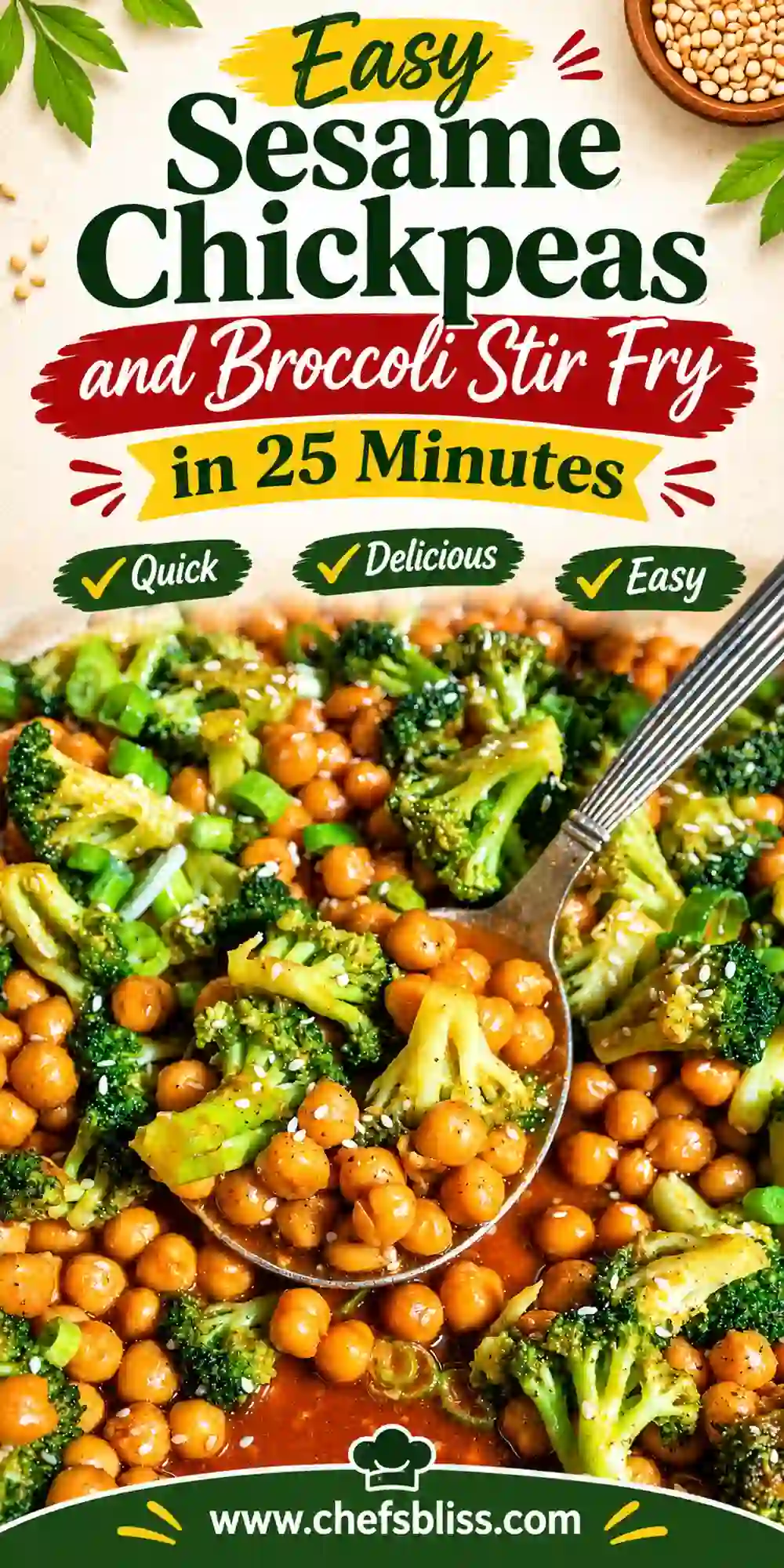
Fresh garlic and ginger introduce warmth and depth, while toasted sesame oil adds a distinctly nutty aroma.
A little maple syrup balances the saltiness of the soy sauce, and rice vinegar provides just enough acidity to keep the dish from tasting overly rich.
With canned chickpeas and a handful of pantry staples, this Asian-inspired dinner comes together in approximately 25 minutes.
Spoon it over warm rice, pair it with noodles, or divide it into containers for convenient weekday lunches.
What Makes This Chickpea Stir Fry So Satisfying?
The combination of legumes and vegetables gives this dish enough substance to serve as a main course without requiring meat or complicated preparation.
Chickpeas have a naturally creamy interior and a mild flavor that complements strongly seasoned sauces. Broccoli introduces freshness, texture, and slightly caramelized flavors when cooked in a hot skillet.
The sesame sauce ties everything together. Its thick consistency helps distribute the seasoning throughout the dish rather than allowing the liquid to collect underneath the vegetables.
Using maple syrup instead of honey also makes the original recipe suitable for a vegan diet.
Ingredients and Their Roles
For the Chickpea and Broccoli Base
- Olive oil: 2 tablespoons for cooking.
- Broccoli: 5 cups of florets, approximately 1 large head.
- Chickpeas: Two 15-ounce cans, drained and rinsed.
- Garlic: 2 cloves, finely grated or minced.
- Fresh ginger: 1 teaspoon, grated.
- Scallions: 2, thinly sliced.
- Sesame seeds: 1 tablespoon.
- Salt and black pepper: A pinch of salt and black pepper for seasoning.
- Water: 3 tablespoons for steaming the broccoli.
For the Homemade Sesame Sauce
- Reduced-sodium soy sauce: ¼ cup.
- Water: ¼ cup.
- Maple syrup or honey: 1½ tablespoons.
- Rice vinegar or apple cider vinegar: 1½ tablespoons.
- Toasted sesame oil: 1½ tablespoons.
- Cornstarch: 1 tablespoon.
- Sriracha or chili sauce: 2 teaspoons, optional.
For Serving
– Cooked rice: 3 cups, or substitute your preferred noodles.
Understanding the Balance of the Sesame Sauce
Each component of the sauce has a specific culinary function.
| Ingredient | Function |
|---|---|
| Reduced-sodium soy sauce | Savory seasoning and umami |
| Maple syrup or honey | Sweetness and flavor balance |
| Rice vinegar | Acidity and brightness |
| Toasted sesame oil | Nutty flavor and aroma |
| Cornstarch | Thickening and adhesion |
| Water | Dilution and consistency |
| Sriracha | Optional spicy finish |
Toasted sesame oil is particularly important because its concentrated aroma distinguishes the sauce from a basic soy-based stir fry seasoning.
Cornstarch allows the liquid ingredients to develop a thicker consistency during cooking. Once heated, the starch absorbs moisture and produces a sauce that can coat the rounded surfaces of the chickpeas and the irregular tops of the broccoli florets.
Kitchen Equipment You’ll Need
The preparation does not require a specialized wok or elaborate kitchen equipment.
- Large skillet with a lid
- Cutting board
- Sharp kitchen knife
- Colander or strainer
- Small mixing bowl
- Whisk
- Fine grater or Microplane
- Measuring cups and spoons
- Cooking spatula
- Saucepan or rice cooker, if preparing rice
A wide skillet is especially useful because it creates more contact between the broccoli and the heated cooking surface.
How to Make Sesame Chickpeas and Broccoli Stir Fry
Step 1: Prepare Your Ingredients
Begin cooking the rice if it has not already been prepared.
Divide the broccoli into small florets of approximately equal size. Drain and rinse the canned chickpeas.
Grate or mince the garlic, grate the ginger, and thinly slice the scallions.
Complete this preparation before beginning the stovetop cooking process.
Step 2: Mix the Sesame Sauce
Combine the soy sauce, ¼ cup water, maple syrup or honey, vinegar, toasted sesame oil, cornstarch, and optional hot sauce in a bowl.
Whisk until no visible starch lumps remain.
Set the bowl aside while preparing the vegetables.
Step 3: Brown and Steam the Broccoli
Place a large skillet over medium-high heat and add the olive oil.
Add the broccoli along with salt and black pepper. Cook for 4–5 minutes, allowing the florets to develop some color between occasional stirs.
Pour in 3 tablespoons of water and put the lid on the skillet. Continue cooking for 2–3 minutes.
The florets should be vivid green with browned areas and a slightly firm center.
Step 4: Cook the Chickpeas and Aromatics
Take off the lid and allow residual moisture to evaporate.
Introduce the chickpeas and cook them for 3–4 minutes, moving them around the skillet occasionally.
Stir in the garlic and ginger. Cook for another 30 seconds, stirring frequently to prevent the aromatics from scorching.
Step 5: Finish with the Sesame Sauce
Whisk the prepared sauce again to redistribute the cornstarch, then add it to the skillet.
Stir and toss the ingredients for 1–2 minutes as the sauce thickens.
Once the chickpeas and broccoli are evenly coated with a shiny layer of sauce, finish with sliced scallions and sesame seeds.
If necessary, add a small splash of water to adjust the consistency. Serve hot with rice or noodles. The Plant Based School
Getting the Broccoli Texture Right
Broccoli contains both delicate florets and firmer stem sections, which can make evenly cooking it a little challenging.
The initial uncovered cooking period encourages browning through direct contact with the skillet.
Covering the pan afterward introduces steam, allowing the thicker portions to soften without requiring prolonged exposure to direct heat.
Cutting the broccoli into similarly sized pieces helps these two cooking stages work effectively.
Avoid crowding the skillet or adding the sauce before the broccoli has finished cooking. Excess moisture can interfere with browning and leave the vegetables less flavorful.
Troubleshooting Your Stir Fry
| Problem | Likely cause | Solution |
|---|---|---|
| Broccoli lacks browning | Excess moisture or insufficient pan heat | Use a wide, adequately heated skillet. |
| Broccoli becomes mushy | Extended covered cooking | Follow the specified steaming time. |
| Sauce contains lumps | Cornstarch was not fully dispersed | Whisk thoroughly before adding it. |
| Sauce is excessively thick | Too much moisture has evaporated | Stir in a little water. |
| Garlic tastes bitter | Aromatics have overheated | Add the garlic late in the cooking process. |
| Sauce thickens unevenly | Cornstarch settled in the bowl | Remix the sauce immediately before use. |
Ingredient Substitutions and Optional Variations
The following alternatives are separate from the original recipe. They may affect the finished flavor, consistency, or nutritional composition and have not been independently tested here.
| Original ingredient | Possible substitution |
|---|---|
| Broccoli | Broccolini, cauliflower, green beans, or snap peas |
| Chickpeas | White beans or shelled edamame |
| Olive oil | Avocado oil or neutral cooking oil |
| Garlic | Additional ginger, scallions, or garlic-infused olive oil |
| Fresh ginger | Ginger paste |
| Soy sauce | Tamari or coconut aminos |
| Maple syrup or honey | Brown sugar |
| Rice vinegar | Apple cider vinegar or lime juice |
| Cornstarch | Arrowroot starch |
| Sriracha | Chili garlic sauce or crushed red pepper flakes |
| Scallions and sesame seeds | Cilantro or chopped peanuts |
Vegan Sesame Chickpea Stir Fry
Select maple syrup rather than honey. Check the ingredients in your chosen hot sauce to ensure it meets your dietary requirements.
Gluten-Free Chickpea Stir Fry
Replace conventional soy sauce with certified gluten-free tamari. Serve the stir fry with rice or gluten-free rice noodles, and check the labels of other packaged ingredients.
Extra Vegetable Stir Fry
Bell peppers, carrots, mushrooms, and snap peas can introduce additional colors and textures. Replace some of the broccoli rather than substantially increasing the total vegetable quantity, helping maintain a suitable sauce-to-vegetable ratio.
Spicy Sesame Chickpeas
Use the optional sriracha for a noticeable chili flavor. For a spicier variation, consider a small amount of crushed red pepper flakes.
Building a Complete Meal Around Sesame Chickpeas
The savory sauce makes this stir fry especially suitable for pairing with mild grains and noodles.
Jasmine rice: A fragrant, fluffy accompaniment that absorbs the excess sauce.
Brown rice: Offers a nuttier flavor and a slightly chewy texture.
Udon noodles: Thick noodles provide a substantial base for the sesame-coated vegetables.
Rice noodles: A lighter alternative with a delicate texture.
Quinoa: An option for creating a satisfying grain bowl.
Cauliflower rice: A vegetable-based alternative to traditional rice.
For a larger dinner, consider serving the stir fry alongside an Asian-inspired cucumber salad, shredded cabbage salad, or edamame.
Baked tofu, roasted cashews, or chopped peanuts can also provide additional texture and substance as optional accompaniments.
Preparing Sesame Chickpeas for Meal Prep
This dish is practical for advance preparation because the chickpeas maintain their structure during refrigeration.
Prepare the stir fry according to the recipe and divide it into individual containers with cooked rice or another preferred accompaniment.
Keep in mind that cornstarch-thickened sauces generally become firmer as they cool. Reintroducing a little moisture during reheating helps restore their original consistency.
For the freshest presentation, you can reserve the sliced scallions and sesame seeds until serving.
Storage, Freezing, and Reheating
| Storage method | Duration |
|---|---|
| Refrigerator | Up to 3 days |
| Freezer | Up to 2 months |
Refrigerate leftovers promptly in sealed food-storage containers.
Frozen portions should be defrosted in the refrigerator overnight. Expect some loss of firmness in the broccoli after freezing.
Warm leftovers in a microwave or skillet with a little water to loosen the sauce. For food safety, reheat leftovers to an internal temperature of 165°F.
Frequently Asked Questions
Can I use frozen broccoli instead of fresh broccoli?
Yes. Defrost the broccoli and remove as much surface moisture as possible before cooking. Previously frozen broccoli generally develops less browning than fresh florets because of its higher moisture content.
Can I use chickpeas cooked from scratch?
Yes. As an optional alternative, fully cooked homemade chickpeas can replace canned chickpeas using an equivalent drained quantity. The chickpeas must already be tender before they enter the skillet.
Is toasted sesame oil necessary?
It provides the characteristic flavor of the sauce. Regular sesame oil has a milder aroma and will not produce precisely the same result.
Can I make this recipe without making it spicy?
Yes. The hot sauce is optional. Omitting it allows the sesame, garlic, ginger, and soy sauce flavors to remain more prominent.
Is sesame chickpea stir fry high in fiber?
Both chickpeas and broccoli contribute dietary fiber. The original recipe’s published nutrition estimate provides 9 grams of fiber and 11 grams of protein per serving, excluding rice.

Easy Sesame Chickpeas and Broccoli Stir Fry in 25 Minutes
Ingredients
Equipment
Method
- Prepare the ingredients: Start the rice if necessary. Cut the broccoli into evenly sized small florets. Rinse and drain the chickpeas, prepare the garlic and ginger, and slice the scallions.
- Prepare the sauce: In a small bowl, whisk the soy sauce, ¼ cup water, maple syrup or honey, vinegar, sesame oil, cornstarch, and optional hot sauce.
- Sauté the broccoli: Heat the olive oil in the skillet over medium-high heat. Season the broccoli with salt and pepper. Sauté for 4–5 minutes, stirring periodically, until lightly browned.
- Steam briefly: Add 3 tablespoons of water, cover the skillet, and cook for 2–3 minutes until tender-crisp.
- Add the chickpeas: Uncover the skillet and evaporate any remaining water. Cook the chickpeas with the broccoli for 3–4 minutes, stirring occasionally.
- Add the aromatics: Stir in the garlic and ginger and cook for 30 seconds.
- Thicken the sauce: Remix the sauce and pour it into the skillet. Toss for 1–2 minutes until the mixture is glossy and evenly coated. Thin with additional water if needed.
- Garnish and serve: Finish with scallions and sesame seeds. Serve immediately over the cooked rice or your preferred noodles.
Notes
-
Prepare all ingredients before starting the stir fry.
-
Use maple syrup to keep the recipe vegan.
-
Use gluten-free tamari when preparing a gluten-free variation.
-
Keep the broccoli slightly firm for the best texture.
-
Redistribute the cornstarch with a whisk immediately before adding the sauce.
-
Avoid prolonged cooking after the sauce has thickened.
-
Refrigerate leftovers for up to 3 days or freeze for up to 2 months.
-
Add a little water when reheating to restore the sauce’s consistency.
-
Rice and noodles are prepared separately.
