
A beautifully golden crust, a soft interior, and the comforting aroma of warm baking spices make this homemade rum banana bread especially inviting.
Sweet, ripe bananas provide the foundation, while brown sugar, butter, and dark rum create a deeper, almost caramel-like flavor.
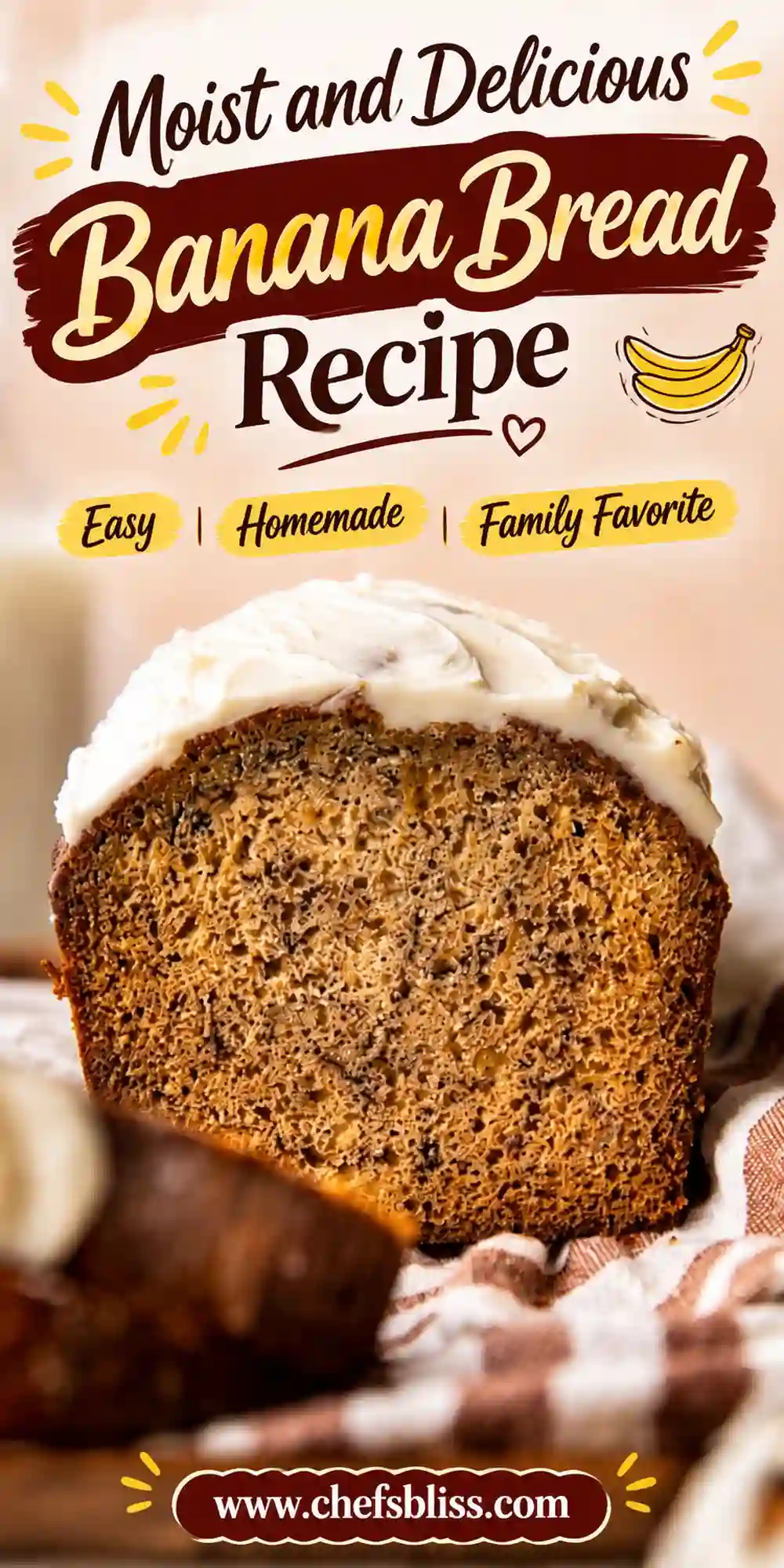
Unlike traditional banana bread, this recipe involves gently cooking the bananas before incorporating them into the batter.
Sour cream and buttermilk contribute richness, while cinnamon, nutmeg, and cardamom give each slice a fragrant finish.
A buttery rum glaze adds an extra layer of sweetness, making the loaf equally suitable for an afternoon treat, weekend brunch, or an after-dinner dessert.
What Gives This Banana Bread Its Distinctive Flavor?
The combination of bananas, rum, brown sugar, and aromatic spices gives this quick bread a flavor reminiscent of a caramelized banana dessert.
Heating the fruit before mixing the batter allows the butter and dissolved sugar to coat the mashed bananas evenly. The resulting mixture distributes its flavor throughout the loaf instead of leaving the sweetness concentrated in individual pieces of fruit.
Using both butter and vegetable oil also provides a useful balance. Butter contributes flavor, while oil helps maintain a supple crumb after the bread has cooled.
The finished loaf is rich without requiring complicated baking techniques or specialized mixing equipment.
Selecting the Ingredients for a Tender Loaf
Very Ripe Bananas
Choose bananas with heavily spotted or predominantly brown skins. As bananas ripen, their starches break down into sugars, and their flesh becomes easier to mash.
Avoid estimating the quantity solely by counting bananas. Fruit size varies considerably, so measuring the mashed fruit helps maintain the correct balance of moisture and flour.
Brown Sugar and Granulated Sugar
Brown sugar introduces molasses notes that complement the rum and spices. Granulated sugar contributes sweetness and helps develop the exterior crust.
Either light or dark brown sugar can be used. Dark brown sugar generally produces a more pronounced molasses flavor.
Butter and Vegetable Oil
These fats serve complementary purposes. Butter provides dairy richness, while liquid oil promotes a softer texture at room temperature.
Unsalted butter also allows the amount of salt in the batter to remain consistent.
Sour Cream and Buttermilk
Both ingredients introduce acidity and moisture. Their acidity helps activate the baking soda, while their dairy components contribute to the texture of the finished loaf.
Bring them to room temperature before preparing the batter so they incorporate more readily with the other ingredients.
Dark or Spiced Rum
Dark rum complements the sweetness of bananas with its deeper flavor profile. Spiced rum offers another option, particularly when paired with the cinnamon and nutmeg already present in the batter.
The glaze reinforces this flavor without requiring additional baking.
Cinnamon, Nutmeg, and Cardamom
Nutmeg provides the dominant spice note in this recipe. Cinnamon contributes familiar warmth, while cardamom introduces a gently floral, aromatic quality.
Together, these spices make the bread particularly appealing during cooler weather, although the loaf can be enjoyed throughout the year.
Preparing Your Kitchen for Baking
Have the following equipment ready before beginning:
- 8.5 × 4.5-inch light-colored metal loaf pan
- Medium skillet
- Large mixing bowl
- Medium mixing bowl
- Small bowl for the glaze
- Measuring cups and spoons
- Fork or potato masher
- Whisk
- Rubber spatula
- Pastry brush
- Toothpick
- Wire cooling rack
A light-colored aluminum pan is preferable because darker metal pans tend to absorb more radiant heat, which can cause the exterior to brown rapidly before the center finishes baking.
The Technique Behind a Well-Baked Banana Loaf
Measure the Flour Carefully
Spoon flour into the measuring cup without compacting it, then sweep away the excess with a straight edge.
Scooping directly from the flour container can pack additional flour into the cup. Even a relatively small excess can make banana bread noticeably heavier and drier.
Allow the Banana Mixture to Cool
The cooked fruit mixture should no longer be excessively hot when introduced to the eggs and dairy.
Adding hot ingredients directly to eggs can cause localized coagulation. Allowing the mixture to cool also makes it easier to incorporate the ingredients evenly.
Use a Gentle Folding Motion
Banana bread is a chemically leavened quick bread, not a kneaded yeast bread. Its batter requires only enough mixing to distribute the flour.
Once the wet and dry components come together, use a spatula to scrape along the bottom of the bowl and fold the batter over itself. Stop when visible pockets of dry flour disappear.
Aggressive mixing encourages gluten development, which can produce a chewy, compact loaf instead of a tender one.
Recognizing When Banana Bread Is Ready
The exterior should develop an attractive golden-brown color, but surface color alone does not establish whether the center has finished cooking.
Check the thickest portion of the loaf with a toothpick. Wet batter indicates that the interior requires more baking time.
Avoid leaving the bread in the oven substantially longer than necessary. Excessive baking drives moisture from the crumb and can create a hard outer crust.
After baking, the loaf needs enough cooling time for its internal structure to stabilize. Cutting into it prematurely can compress the soft interior and make the slices appear gummy.
Adjusting the Consistency of the Rum Glaze
The powdered sugar glaze can be prepared with either a thin, pourable consistency or a thicker, frosting-like texture.
For a thinner finish, use a greater proportion of rum within the specified ingredient range. For a thicker coating, increase the powdered sugar gradually.
Add the glaze only after the loaf has cooled completely. Residual heat can cause the butter-based mixture to soften excessively and run down the sides of the bread.
Optional Additions and Substitutions
The original recipe allows several modifications, although they are not included in the standard loaf.
| Ingredient | Optional alternative |
|---|---|
| Light brown sugar | Dark brown sugar |
| Dark rum | Spiced rum |
| Vegetable oil | Melted coconut oil |
| Buttermilk | Regular milk |
| Plain batter | Walnuts, pecans, chocolate chips, or dried fruit |
Approximately ¾–1 cup of optional mix-ins may be incorporated into the batter. Cool the cooked bananas completely before adding chocolate chips. Kroll’s Korner
These alternatives may change the final flavor or texture. For the closest result to the original recipe, follow the primary ingredient list.
Troubleshooting Common Banana Bread Problems
| Problem | Possible cause | Prevention |
|---|---|---|
| Dense, heavy interior | Excessive mixing or flour | Measure accurately and fold gently |
| Sunken center | Insufficient baking or incorrect proportions | Follow the specified formula and check the center |
| Dry crumb | Overbaking | Remove the loaf once it passes the doneness test |
| Excessively dark crust | Dark baking pan | Choose light-colored metal |
| Bread sticks to the pan | Inadequate pan preparation | Coat the interior with butter and flour |
| Glaze slides off | Bread is still warm | Cool completely before decorating |
| Uneven texture | Poorly incorporated ingredients | Use room-temperature dairy and eggs |
Delicious Ways to Serve Rum Banana Bread
The loaf is flavorful enough to serve on its own, but it also pairs nicely with several simple accompaniments.
Serve an unglazed slice slightly warm with softened butter for breakfast. For an afternoon snack, pair a glazed slice with freshly brewed coffee, a cappuccino, or black tea.
For a more dessert-oriented presentation, accompany the bread with vanilla ice cream, whipped cream, or sliced fresh bananas.
These serving suggestions are optional and do not alter the original baking formula.
Keeping Banana Bread Fresh
Allow the loaf to cool before wrapping or transferring it to a storage container. Trapping steam against warm bread can make the exterior excessively damp.
The original recipe provides the following storage windows:
| Storage method | Duration |
|---|---|
| Room temperature | 2–3 days |
| Refrigerator | Up to 1 week |
| Freezer | 2–3 months |
Kroll’s Korner
For convenient freezing, consider dividing the cooled loaf into individual portions. Wrap each slice securely before placing it inside a freezer-safe container.
Thaw frozen portions before serving. Unglazed slices can also be warmed briefly in the microwave, while glazed portions are best reheated gently to avoid melting the topping.
Does Rum Banana Bread Contain Alcohol?
Yes. Although heating and baking reduce some of the alcohol in the batter, they do not necessarily eliminate it completely.
The glaze also contains rum that is not cooked. Omitting the glaze therefore reduces alcohol exposure but does not make the bread alcohol-free.
For children, pregnant individuals, or anyone avoiding alcohol, a separately formulated alcohol-free banana bread is preferable. Rum extract is not automatically alcohol-free, so check the product label before considering it as an alternative.

Moist and Delicious Banana Bread Recipe
Ingredients
Equipment
Method
- Position an oven rack in the lower-middle section. Preheat to 350°F (177°C).
- Butter the interior of the loaf pan thoroughly. Dust with flour, rotating the pan to cover every surface. Discard the excess.
- Place the mashed bananas, brown sugar, butter, and rum in the skillet. Whisk over medium heat until simmering.
- Reduce to low heat and continue cooking for 3–5 minutes, whisking periodically.
- Take the skillet off the heat. Set aside for approximately 10 minutes.
- Whisk the eggs, vegetable oil, sour cream, buttermilk, and vanilla in the large bowl.
- Incorporate the cooled banana mixture.
- In another bowl, whisk the flour, granulated sugar, baking soda, salt, nutmeg, cinnamon, and cardamom.
- Gently fold the dry mixture into the wet mixture just until incorporated.
- Transfer the batter to the loaf pan.
- Bake for approximately 60–65 minutes. A toothpick inserted into the center should emerge clean.
- Rest the loaf in its pan for about 15 minutes, then transfer it to a cooling rack. Allow it to reach room temperature.
- Whisk together the powdered sugar, rum, and melted butter. Adjust within the listed quantities to achieve the desired thickness.
- Spread or drizzle the glaze over the completely cooled bread. Slice into 10 portions.
Notes
-
Measure the mashed bananas to maintain the intended moisture balance.
-
Either light or dark brown sugar is suitable.
-
Avoid compacting the flour when measuring.
-
Use the updated recipe temperature of 350°F rather than the older version’s 325°F.
-
The stated cook time includes more than the oven baking stage.
-
The cooling time is an estimate; allow additional time if the loaf remains warm.
-
Do not overmix the batter after adding the flour.
-
Optional chocolate chips should only be incorporated once the banana mixture is completely cool.
-
Remember that both the loaf and its glaze contain alcohol.
-
Wrap leftovers tightly to preserve freshness.
