
Garlic butter shrimp scampi brings together succulent shrimp, fragrant garlic, melted butter, and bright citrus in a beautifully balanced seafood dish.
A splash of dry white wine adds depth to the silky pan sauce, while fresh parsley provides a clean, herbal finish.
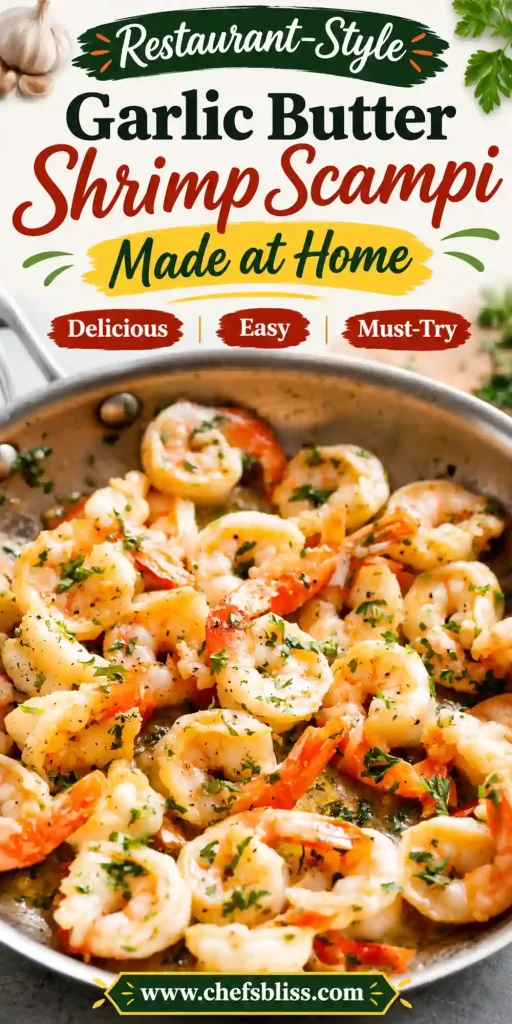
Everything comes together in a single skillet in just 10 minutes, making this recipe particularly appealing when you want a satisfying dinner without spending much time in the kitchen.
The shrimp remain tender and juicy, and the buttery sauce is perfect for tossing with pasta or soaking up with warm, crusty bread.
Serve it as an elegant seafood appetizer, a light lunch, or a comforting Italian-American-inspired dinner.
What Makes Shrimp Scampi So Flavorful?
The appeal of shrimp scampi comes from the balance between richness, acidity, and aromatic ingredients. Butter gives the sauce its luxurious consistency, garlic provides savory depth, and lemon juice keeps the dish from tasting excessively heavy.
Reducing the wine concentrates its flavor without requiring a thickening agent. Adding part of the butter at the end of cooking helps create a smooth, glossy finish that lightly coats the shrimp.
Unlike cream-based seafood sauces, traditional scampi-style sauces are relatively light in consistency, allowing the natural sweetness of the shrimp to remain noticeable.
Choosing the Right Ingredients
Large Shrimp
Large, extra-large, or jumbo raw shrimp work particularly well because their substantial size makes it easier to retain a juicy interior during cooking.
Choose shelled shrimp with the tails attached or removed, depending on your preferred presentation. Deveined shrimp are convenient and require less preparation.
Frozen raw shrimp can also be used. Thaw them completely in the refrigerator and pat them dry before cooking to prevent excess moisture from diluting the sauce.
Fresh Garlic
Freshly minced garlic distributes evenly throughout the butter and provides the dish’s characteristic savory aroma. Avoid allowing it to darken excessively, as burned garlic can introduce bitterness.
Butter and Olive Oil
These two fats contribute complementary flavors. Olive oil provides the initial cooking medium, while butter adds richness and helps finish the sauce.
Dividing the butter between the beginning and end of cooking prevents all of it from being exposed to prolonged heat.
Dry White Wine
Choose a dry white wine rather than a sweet dessert wine. Sauvignon Blanc offers bright acidity, Pinot Grigio contributes a lighter flavor, and an unoaked Chardonnay can provide a slightly fuller character.
Chicken broth is an appropriate alcohol-free alternative.
Lemon Juice and Fresh Parsley
Lemon juice provides acidity that complements the naturally sweet shrimp. Fresh parsley introduces color and a mild herbal freshness without overpowering the garlic.
Crushed Red Pepper Flakes
An optional addition for anyone who enjoys a subtle spicy finish. Adjust the amount according to your preferred heat level.
Prepare Everything Before Heating the Skillet
Shrimp scampi is a fast-cooking dish, so organizing your ingredients beforehand is particularly important.
Mince the garlic, chop the parsley, measure the wine, squeeze the lemon, and divide the butter before turning on the stove. Keep the prepared shrimp and seasonings within easy reach.
If you intend to serve the scampi with pasta, rice, or another cooked accompaniment, have it ready before you begin preparing the shrimp. This allows you to serve the seafood immediately without leaving it sitting in a hot pan.
How to Make Garlic Butter Shrimp Scampi
Step 1: Build the Garlic Butter Base
Warm the olive oil with half of the butter in a large skillet. Once the butter melts, introduce the minced garlic and cook for 30–60 seconds, allowing its aroma to develop without burning.
Step 2: Begin Cooking the Shrimp
Place the shrimp in the skillet and season them with salt and cracked pepper.
Cook the first side for 1–2 minutes. When the shrimp start developing a pink exterior, turn them over.
Step 3: Reduce the White Wine
Add the wine or broth along with the optional pepper flakes. Let the liquid bubble gently for another 1–2 minutes.
By this point, the liquid should have decreased to approximately half its original volume, and the shrimp should be fully cooked.
Step 4: Finish the Sauce
Incorporate the remaining butter, lemon juice, and chopped parsley. Remove the skillet from the burner promptly to avoid overcooking the seafood.
Serve while the shrimp are warm and the sauce is glossy. Cafe Delites
Recognizing Perfectly Cooked Shrimp
Shrimp can transition from tender to rubbery in a remarkably short time. Rather than relying exclusively on a timer, observe their appearance and texture.
Properly cooked shrimp should have pink exteriors and pearly, opaque flesh. Their bodies usually form a loose C-shaped curve. A tightly curled shrimp with a firm, rubbery texture may indicate overcooking.
For food safety, the recommended internal temperature for shrimp is 145°F (63°C).
Remember that residual heat from the skillet can continue cooking the seafood even after the burner is turned off. Transfer the finished scampi to a serving dish promptly if you are not serving it directly from the skillet.
Can You Make Shrimp Scampi Without Wine?
Absolutely. Replace the wine with an equal quantity of chicken broth to retain the liquid needed for the pan sauce.
Homemade fish broth is another suitable alternative, particularly if you prefer a more pronounced seafood flavor.
Using broth instead of wine will produce a slightly different sauce, but the garlic, butter, and lemon will still provide its essential flavor profile.
Common Cooking Mistakes to Avoid
| Problem | Likely cause | How to prevent it |
|---|---|---|
| Rubbery shrimp | Excessive cooking | Remove the skillet from the heat as soon as the shrimp are done. |
| Watery sauce | Excess moisture from thawed shrimp | Dry the shrimp thoroughly before cooking. |
| Bitter garlic | Excessive heat | Avoid browning the minced garlic too deeply. |
| Weak sauce flavor | Insufficient liquid reduction | Allow the wine or broth to reduce by approximately half. |
| Oily or separated sauce | Excessive heating after adding the finishing butter | Remove the skillet from the heat promptly. |
What to Serve with Garlic Butter Shrimp Scampi
The delicate seafood and citrus-infused butter sauce pair well with a variety of accompaniments.
Pasta: Linguine, spaghetti, angel hair, or fettuccine provide an excellent foundation for the sauce.
Crusty bread: Serve with toasted French bread, sourdough, or garlic bread for dipping.
Rice: Fluffy white rice, jasmine rice, or rice pilaf can absorb the aromatic cooking juices.
Vegetables: Steamed broccoli, cauliflower, asparagus, or sautéed green beans offer a lighter accompaniment.
Zucchini noodles: A vegetable-based alternative to traditional pasta that works particularly well with the lemon butter sauce.
Fresh salad: A simple green salad with a light vinaigrette provides a refreshing contrast to the buttery shrimp.
For appetizer portions, arrange the shrimp on a shallow serving platter and spoon the warm sauce over them.
Optional Flavor Variations
The following suggestions are optional adaptations rather than part of the original recipe. They have not been independently tested with this particular formula.
- Extra lemony scampi: Include a little freshly grated lemon zest for a stronger citrus fragrance.
- Spicy shrimp scampi: Increase the crushed red pepper flakes according to your heat preference.
- Herb-infused scampi: Complement the parsley with a small amount of fresh basil.
- Shrimp scampi pasta: Toss the finished shrimp and sauce with separately cooked linguine or spaghetti.
- Mediterranean-inspired scampi: Serve alongside roasted cherry tomatoes and grilled vegetables.
Make-Ahead Preparation and Leftover Storage
Preparing in Advance
Although shrimp scampi is best cooked immediately before serving, you can complete much of the preparation beforehand.
Peel and devein the shrimp if necessary, mince the garlic, chop the parsley, and measure the remaining ingredients. Refrigerate perishable ingredients separately until needed.
Refrigerating
Transfer leftovers to an airtight container and refrigerate within two hours of cooking. Properly refrigerated cooked shrimp can generally be stored for 3–4 days at 40°F (4°C) or below.
Freezing
Freezing is possible, although reheated shrimp may lose some tenderness, and the butter sauce may separate after thawing.
For the best eating experience, prepare only the amount you expect to serve and enjoy the scampi freshly cooked.
Reheating
Warm leftovers gently in a skillet, stirring occasionally. Avoid prolonged cooking or unnecessarily high heat.
Reheated leftovers should reach 165°F (74°C). Reheat only the portion you intend to eat.

Restaurant-Style Garlic Butter Shrimp Scampi Made at Home
Ingredients
Equipment
Method
- Heat the cooking fats. Place a large skillet on the stove and warm the olive oil together with 2 tablespoons of the butter.
- Cook the garlic. Once the butter has melted, add the minced garlic. Stir and cook for approximately 30 seconds to 1 minute, until aromatic.
- Add the shrimp. Arrange the shrimp in the skillet and sprinkle with salt and cracked black pepper. Leave them to cook for 1–2 minutes, until the undersides begin turning pink. Turn each shrimp over.
- Add and reduce the liquid. Pour the white wine or broth into the skillet. Sprinkle in the crushed red pepper flakes, if desired. Maintain a gentle simmer for 1–2 minutes, until roughly half the added liquid has evaporated and the shrimp are cooked through.
- Complete the sauce. Add the final 2 tablespoons of butter, lemon juice, and parsley. Stir everything together and immediately remove the skillet from the heat.
- Serve. Divide the shrimp and sauce among serving plates. Enjoy immediately with your preferred accompaniment.
Notes
-
Use large or jumbo raw shrimp for a substantial, succulent texture.
-
Fully thaw frozen shrimp before beginning the recipe.
-
Either tail-on or tail-off shrimp are suitable.
-
Measure and prepare all ingredients before heating the skillet.
-
Sauvignon Blanc, Pinot Grigio, and Chardonnay are suitable wine choices.
-
Substitute chicken broth for white wine in an alcohol-free preparation.
-
The crushed red pepper flakes are entirely optional.
-
The butter may be used without olive oil as an optional variation, although it will be more susceptible to browning.
-
Avoid crowding the shrimp excessively in the skillet.
-
Stop cooking when the shrimp become opaque and reach the appropriate internal temperature.
-
Serve immediately for the best sauce consistency and seafood texture.
-
Pasta, rice, bread, and vegetables are separate serving accompaniments and are not included in the core ingredient quantities.
