
A beautifully browned scallop with a tender, naturally sweet center needs little more than a buttery sauce to become an exceptional seafood dinner.
These pan-seared scallops combine a caramelized exterior with a bright garlic butter sauce made with fresh lemon juice and white wine or broth.
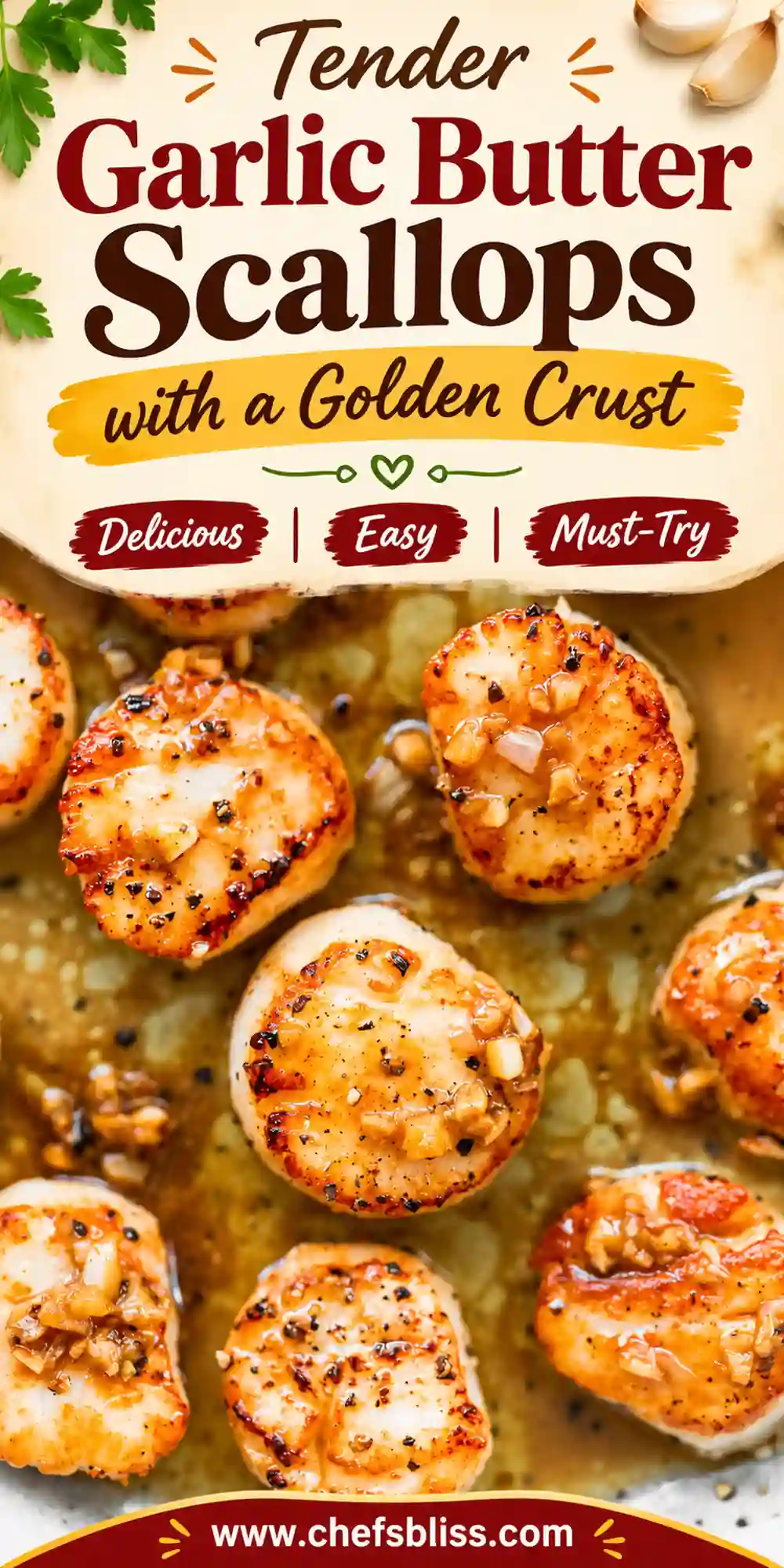
The secret to preparing scallops is managing moisture, heat, and cooking time.
Unlike seafood recipes that require extensive preparation, this dish comes together in just 15 minutes with a handful of ingredients and one skillet.
Serve these scallops for an elegant date-night dinner, a special family meal, or a sophisticated seafood appetizer.
They pair particularly well with pasta, creamy potatoes, and fresh vegetables.
What Makes a Perfectly Seared Scallop?
A successful scallop has three distinguishing characteristics: a deeply golden surface, a moist interior, and a delicate sweetness that complements its buttery richness.
The contrast between the browned exterior and tender center comes from cooking the seafood briefly in a hot skillet. Excessive moisture or prolonged cooking can interfere with that balance, leaving the scallops pale, chewy, or rubbery.
Preparing the sauce in the same skillet also allows the browned residue from searing to contribute additional savory flavor.
Choosing the Right Scallops
Dry Scallops vs. Wet Scallops
Dry-packed scallops are preferable for skillet cooking because they contain less added moisture. They brown more readily and generally develop a more appealing texture.
Wet-packed scallops are commonly treated with a solution that increases moisture retention. As they cook, the excess liquid can accumulate in the skillet and interfere with browning.
Look for dry-packed scallops at the seafood counter or check the ingredient label when purchasing packaged seafood.
Sea Scallops vs. Bay Scallops
Sea scallops are the preferred choice for this recipe. Their larger size makes it easier to develop a substantial crust without overcooking the center.
Bay scallops are smaller and typically sweeter. They can also be used, although their size may require a shorter cooking time.
Fresh or Frozen Scallops
Either fresh or previously frozen scallops can produce excellent results. Frozen scallops should be completely thawed before preparation.
Choose scallops with a mild, clean seafood aroma. Avoid those with a noticeably sour or unpleasant odor.
Ingredients for Garlic Butter Scallops
For the Scallops
- 1½ pounds sea scallops: Large scallops provide a substantial, juicy interior.
- Salt and pepper, to taste: Enhance the natural sweetness of the seafood.
- 1 tablespoon butter: Adds richness and encourages browning.
- ½ tablespoon olive oil: Provides additional cooking fat for searing.
For the Garlic Butter Sauce
- 2 tablespoons butter: Creates the rich foundation of the pan sauce.
- 3–4 cloves garlic: Finely mince for even flavor distribution.
- Juice of ½ lemon: Adds acidity to balance the butter.
- ¼ cup white wine, chicken broth, or vegetable broth: Deglazes the skillet and creates a spoonable sauce.
- Fresh chopped parsley, optional: Provides a fresh herbal finish.
Equipment You Will Need
A few basic kitchen tools are sufficient for preparing this dish.
- Large skillet, preferably stainless steel or cast iron
- Paper towels
- Kitchen tongs or thin spatula
- Cutting board
- Chef’s knife
- Measuring cups and spoons
- Small bowl
- Serving plate
- Instant-read thermometer, recommended for checking doneness
A heavy skillet is particularly useful because it retains heat when the cold seafood is added.
How to Prepare Scallops Before Cooking
Proper preparation is just as important as the searing process itself.
Inspect each scallop for a small, rectangular piece of muscle attached to its side. This muscle can become noticeably tougher than the surrounding meat when cooked. Peel it away gently with your fingers if present.
Blot the scallops thoroughly with paper towels, including their tops, bottoms, and sides. Surface moisture must evaporate before browning can begin, so removing it beforehand helps the seafood develop a crust more efficiently.
Have the garlic, lemon juice, butter, and wine or broth ready before heating the skillet. Scallops cook rapidly, leaving little time to prepare sauce ingredients between steps.
How to Make Pan-Seared Scallops with Garlic Butter
Step 1: Season the Scallops
Once the scallops are cleaned and thoroughly dried, sprinkle them with salt and pepper.
Season just before cooking to minimize the amount of moisture that collects on their surfaces.
Step 2: Heat the Skillet
Place a large skillet over high heat. Add 1 tablespoon of butter and ½ tablespoon of olive oil.
Allow the cooking fat to become sufficiently hot for searing without letting the butter burn.
Step 3: Sear the First Side
Arrange the scallops in the hot skillet, leaving space between each piece. Work in batches if necessary.
Leave them undisturbed for 2 minutes. The uninterrupted contact with the skillet allows the bottom surface to develop a golden-brown crust.
Step 4: Turn and Finish Cooking
Lower the heat to medium-high. Carefully turn each scallop and continue cooking for 1–2 minutes.
The second surface should become golden, while the flesh gradually loses its raw translucency. Properly cooked scallops should have a gently resilient texture.
Transfer the cooked scallops to a serving plate.
Step 5: Prepare the Lemon Garlic Butter Sauce
Add the remaining 2 tablespoons of butter to the same skillet. Loosen the browned residue with a spatula as the butter melts.
Stir in the minced garlic, juice of half a lemon, and ¼ cup of white wine, chicken broth, or vegetable broth.
Let the mixture cook for 2 minutes, allowing the ingredients to combine into a fragrant pan sauce.
Step 6: Finish and Serve
Distribute the warm garlic butter sauce over the scallops. Sprinkle with chopped parsley, if desired, and serve immediately.
How to Tell When Scallops Are Done
Scallops require close attention because the difference between tender and overcooked seafood can be less than a minute.
Look for the following indicators:
- Both flat surfaces have developed golden-brown coloring.
- The flesh has become opaque rather than glassy or raw-looking.
- The scallops feel firm but retain a gentle springiness.
- The center remains moist rather than dry or excessively dense.
For food safety, the recommended internal temperature for seafood is 145°F (63°C). Insert an instant-read thermometer into the thickest part of a scallop when checking.
Residual heat can continue cooking the scallops after they leave the skillet. If they have not reached a safe internal temperature, briefly return them to the pan.
Why Aren’t My Scallops Getting a Golden Crust?
Several factors can affect the quality of the sear.
| Problem | Likely cause | Solution |
|---|---|---|
| Pale scallops | Excess surface moisture | Dry thoroughly before seasoning. |
| Liquid collecting in the skillet | Crowding or wet-packed scallops | Choose dry-packed seafood and cook in batches. |
| Scallops sticking | Attempting to turn them prematurely | Allow the first surface to brown before lifting. |
| Tough or rubbery texture | Excessive cooking time | Monitor doneness closely. |
| Burned cooking fat | Excessively hot skillet | Avoid allowing the butter to smoke or burn. |
| Bitter garlic sauce | Garlic has scorched | Keep the sauce cooking brief and monitor the heat. |
Choosing Between Wine and Broth for the Sauce
The recipe offers three liquid options without changing the required quantity.
White wine: A dry white wine, such as Pinot Grigio or Sauvignon Blanc, can add acidity and subtle complexity.
Chicken broth: Provides a savory foundation with a slightly fuller flavor while avoiding the need for wine.
Vegetable broth: Offers a lighter alternative that allows the lemon, garlic, and scallops to remain prominent.
Use ¼ cup of whichever liquid you select. Avoid heavily sweetened wines, which can overpower the delicate seafood.
What to Serve with Seared Scallops
The garlic butter sauce works especially well with accompaniments that can absorb its flavor.
- Linguine or angel hair pasta: Toss with the pan sauce for an elegant seafood pasta dinner.
- Creamy mashed potatoes: Provide a soft, comforting contrast to the seared exterior.
- Roasted asparagus: Adds a fresh vegetable element without overwhelming the seafood.
- Sautéed green beans: Bring color and a pleasantly crisp texture to the plate.
- Coconut rice: Complements the natural sweetness of scallops.
- Crusty artisan bread: Ideal for soaking up the remaining sauce.
- Lemon risotto: An elegant serving suggestion for special occasions.
- Fresh green salad: Balances the buttery richness with lighter, refreshing flavors.
These accompaniments are separate serving suggestions and are not required ingredients in the core recipe.
Preparing Scallops Ahead of Time
Although scallops are best cooked immediately before serving, several preparation tasks can be completed in advance.
Thaw frozen scallops overnight in the refrigerator, remove any attached side muscles, mince the garlic, and measure the sauce ingredients.
Keep the seafood refrigerated until needed. Dry and season the scallops shortly before placing them in the skillet.
Avoid searing the scallops in advance when serving guests, as reheating can compromise their delicate texture.
Storing and Reheating Leftovers
Refrigeration
Transfer leftover scallops and sauce to an airtight container and refrigerate promptly. Consume within 2 days.
Store the seafood at 40°F (4°C) or below.
Reheating
For the best possible texture, gently reheat leftover scallops in a covered skillet over low heat. Include the remaining sauce to help retain moisture.
Reheat leftovers to 165°F (74°C) for food safety, recognizing that reheated scallops may be firmer than freshly cooked ones.
Freezing
Freezing cooked scallops is not recommended for optimal texture. Freezing and reheating can make their flesh less tender.
Frequently Asked Questions
Can I cook scallops directly from frozen?
Not with this searing method. Frozen scallops release substantial moisture as they thaw, making it difficult to develop an even crust. Thaw them completely and blot them dry before cooking.
Can I use a nonstick skillet?
Yes. A nonstick skillet can work, provided it is rated for the necessary cooking temperature. Stainless steel or cast iron generally offers better heat retention and browning.
Why is both butter and olive oil used?
Butter contributes richness and flavor, while olive oil provides additional cooking fat and helps distribute heat across the skillet. The combination creates a flavorful cooking surface, although the butter can still burn if overheated.
Can I make garlic butter scallops without wine?
Yes. Substitute an equal quantity of chicken broth or vegetable broth for the white wine. Both alternatives are included in the original recipe.
Should I wash scallops before cooking?
Routine rinsing is unnecessary for clean, commercially prepared scallops. If you notice any grit, remove it carefully and thoroughly dry the seafood afterward.

Tender Garlic Butter Scallops with a Golden Crust
Ingredients
Equipment
Method
- Prepare the scallops: Remove any attached side muscles. Blot the scallops carefully with paper towels until their surfaces are dry, then season with salt and pepper.
- Heat the cooking fat: Set a large skillet over high heat and add 1 tablespoon of butter and ½ tablespoon of olive oil. Heat until ready for searing without burning the butter.
- Cook the first side: Place the scallops in the skillet with sufficient space between them. Leave them in place for 2 minutes to develop a golden underside.
- Finish searing: Adjust the heat to medium-high, turn the scallops, and cook for an additional 1–2 minutes. Check for golden coloring, opaque flesh, and a firm but resilient texture. Verify an internal temperature of 145°F (63°C) for food safety.
- Remove the scallops: Transfer the cooked seafood to a serving plate.
- Make the sauce: Melt 2 tablespoons of butter in the same skillet, incorporating the browned cooking residue. Add the garlic, lemon juice, and selected wine or broth. Cook for 2 minutes.
- Serve: Spoon the garlic butter sauce over the scallops. Finish with chopped parsley, if desired, and enjoy immediately.
Notes
-
Scallop selection: Choose dry-packed sea scallops whenever available for better browning.
-
Frozen scallops: Thaw overnight in the refrigerator or place the sealed package in a bowl of ice water until completely thawed.
-
Surface moisture: Thorough drying is essential for achieving a golden exterior.
-
Batch cooking: Avoid overcrowding the skillet. Additional batches may extend the overall cooking time.
-
Bay scallops: Smaller bay scallops may be substituted, but monitor them carefully because they can cook more quickly.
-
Wine substitution: Use ¼ cup of chicken or vegetable broth instead of white wine if preferred.
-
Doneness: Cooking times can vary according to scallop size and skillet temperature.
-
Storage: Refrigerate leftovers in an airtight container for up to 2 days.
-
Recipe timing: The sauce cooking time follows the original recipe card’s 2-minute instruction. Thawing time is not included in the listed preparation time.
-
Recipe classification: The course and cuisine classifications are editorial selections. The temperature-based food safety guidance supplements the original recipe’s sensory doneness indicators.
-
Recipe attribution: Based on Lauren Allen’s Seared Scallops recipe at Tastes Better From Scratch, with the original ingredient quantities, cooking sequence, serving yield, and recipe-card timing retained.
